Spotlight on... St James's Square
Posted on

St James’s Square is an elegant square with a facinating history. It is located in St James's one of the most exclusive districts in central London. This quiet area tucked away between Piccadilly and The Mall has managed to retain a charming village identity and is noted for quality shopping offering everything from handmade clothing to fine cigar and wines. The St James's area is often referred to as “Gentlemen’s London” due to its gentlemen's clubs and specialist retailers.
History
The area takes its name from a former leper hospital which was dedicated to St James, the apostle. It was here that Henry VIII had St James’s Place built in the 1530s.
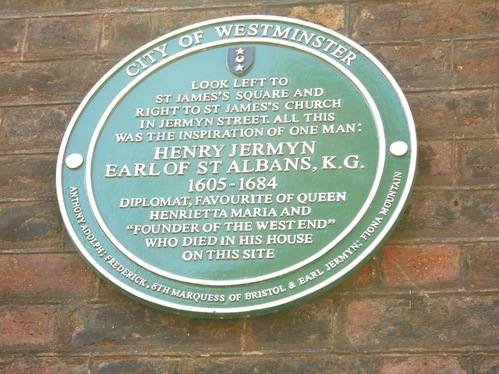
However the area was transformed when Henry Jermyn, the Earl of St Albans, developed the land in the 1660s. He created a very desirable residential area in close proximity to the royal palace.
St James’s Square was the only square and formed the centrepiece to the new development. It quickly became very fashionable attracting many aristocratic and noble families. Today the area is mainly commercial but it has lost none of its charm.
Things to look out for
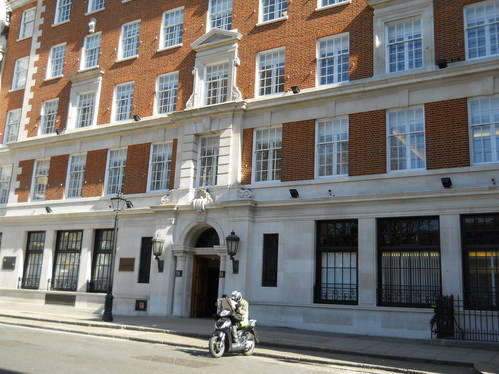
At No 31 is Norfolk House, pictured above, this modern red brick building on the east side of the square has two plaques marking the location of the Allied Forces HQ under General Dwight Eisenhower during World War II.
The house on the corner of Duke of York Street has a green plaque commemorating Henry Jermyn.
The Gardens
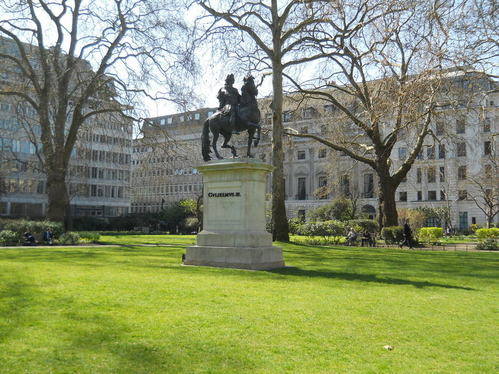
The attractive gardens are open to the public from Mondays to Fridays from 10am to 4.30pm.
In the centre is an equestrian statue of William III.
On the south side is a small classical style pavilion designed by John Nash.
This is only one of the many charming places to see in and around St James’s. To explore the area further book on the Exclusive St James’s and its Gentlemen’s Clubs walk.
The author of this blog is a qualified City of London and City of Westminster Tour Guide who leads guided walks combining world famous landmarks with hidden treasures often missed by the crowds.
Add a comment: