The Opulent Interiors of Lancaster House
Posted on

“My dear, I have come from my house to your palace”
Queen Victoria apparently made this remark when she visited her close friend Harriet, the Duchess of Sunderland, at Stafford House (the house's previous name).
It is one of the few surviving great London townhouses, built in a warm honey coloured Bath stone, its next door neighbour is Buckingham Palace. The house is very opulently furnished with its principal rooms lavishly decorated in a Louis XIV style.
Today Lancaster House is managed by the Foreign and Commonwealth Office and is used as a venue for conferences and government hospitality. It is seldom open to the general public but I was fortunate to attend a private guided tour arranged for Westminster Guides. The tour was lead by James Yorke, the author of “Lancaster House: London's Greatest Town House”, whose encyclopaedia knowledge and genuine love for the house made this a very special visit.
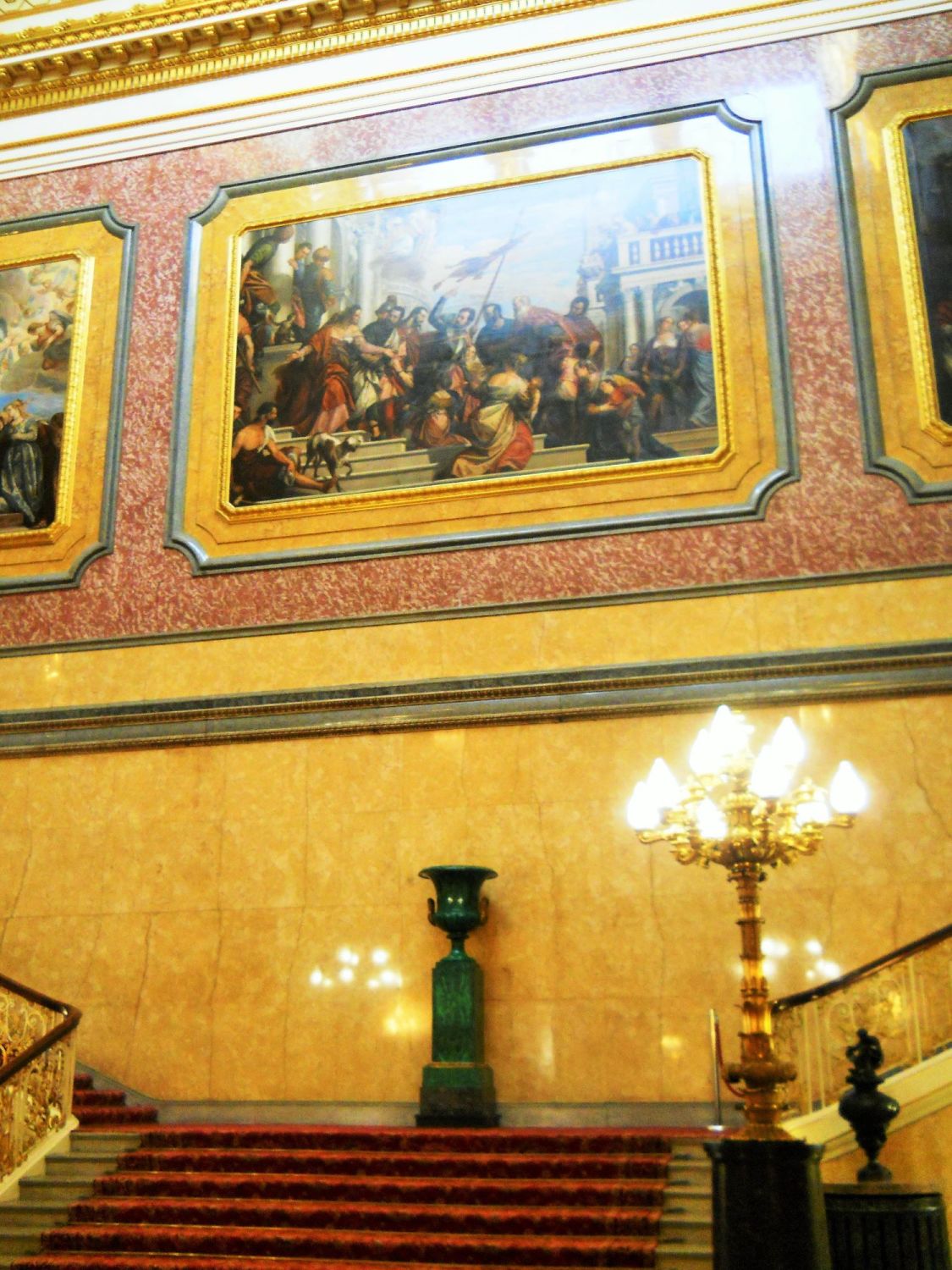
Principle Staircase
The grand sweeping staircase which splits off in two directions is the centrepiece of the house is absolutely stunning.
Due to its sheer scale it was impossible to capture the staircase in a single photograph.
The Composite columns and walls are decorated in scagliola to resemble marble.
The ceiling accommodates a large lantern or skylight with black atlantes between the windows.
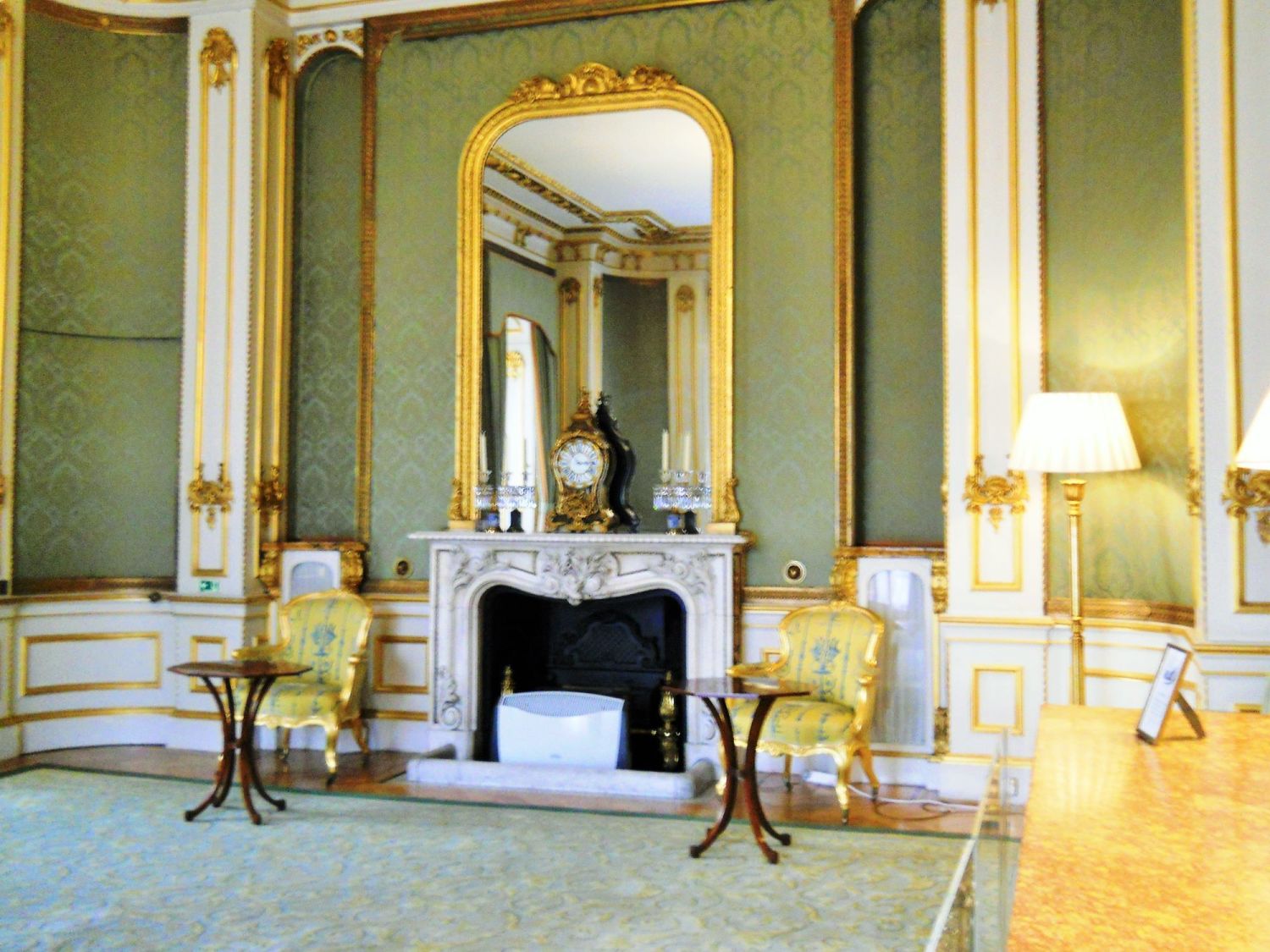
Green Drawing Room
On the ground floor were originally the family’s rooms. The walls of this elegant room are covered in green damask. In the alcove to the left of the fireplace is a concealed door.
State Dining Room
This room overlooks one of the largest private garden in London.
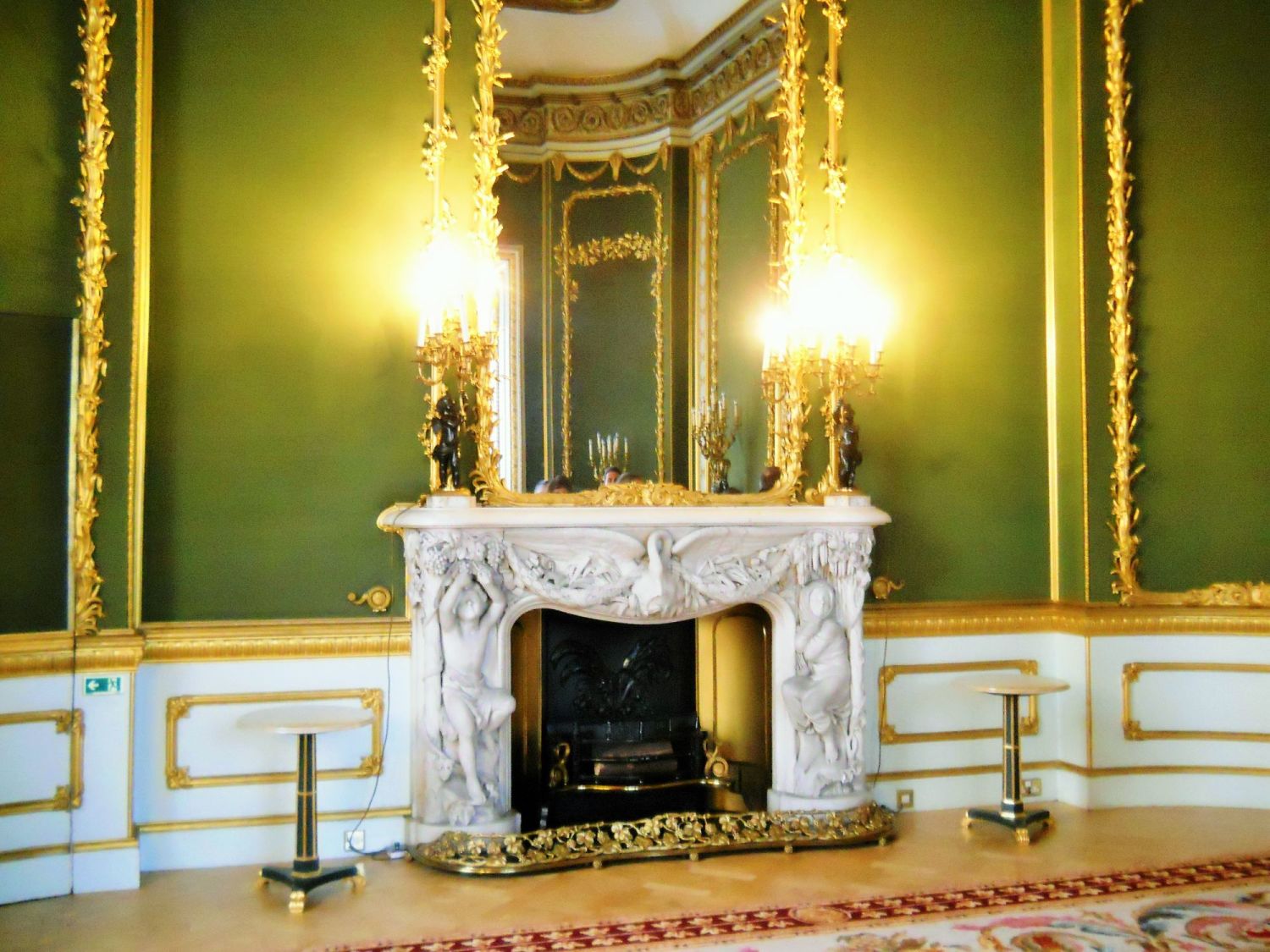
South West Drawing Room
The chimney piece is beautifully carved with figures of Summer and Winter.
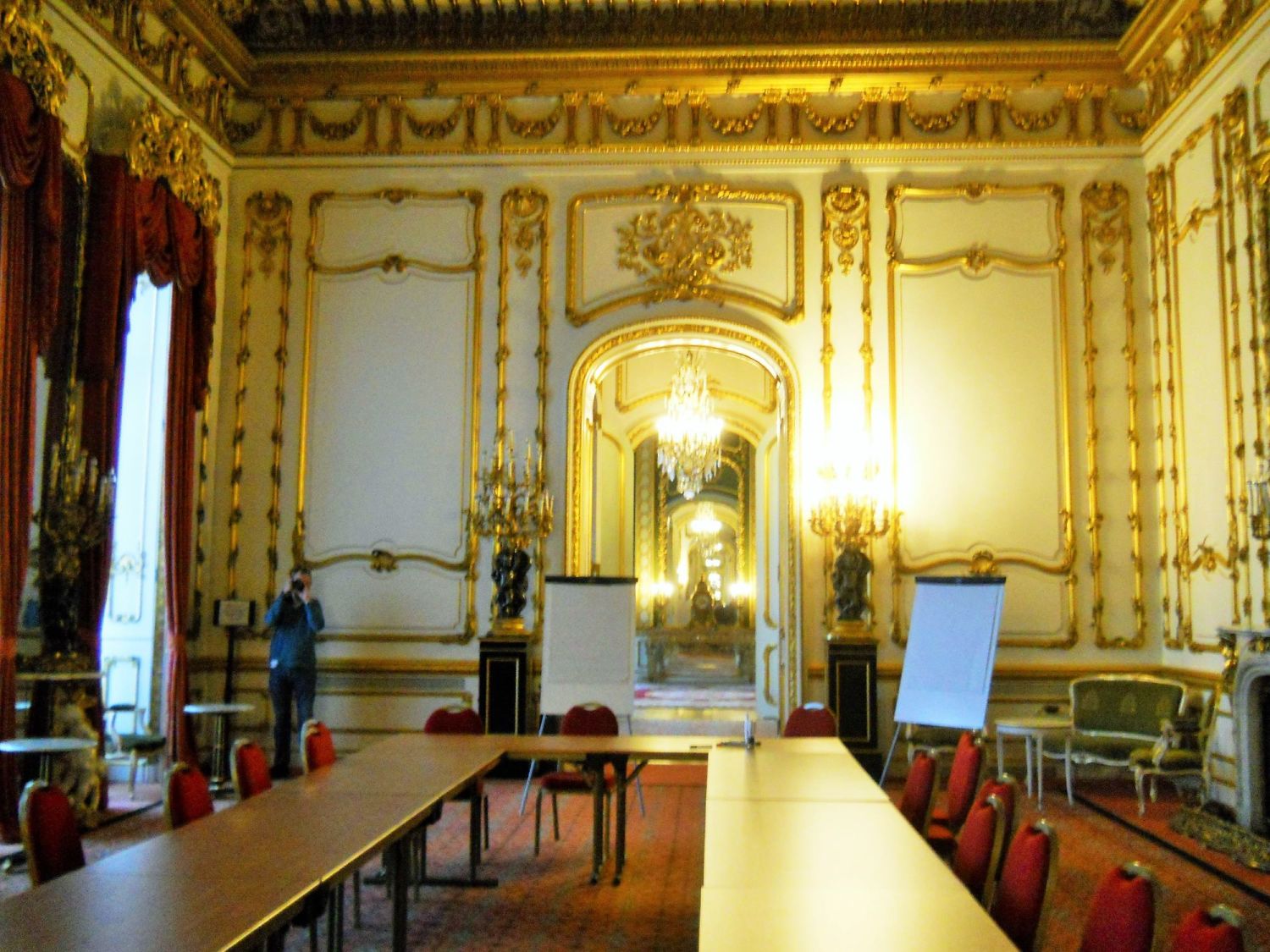
State Drawing Room
Ornately decorated room with views overlook the Mall.
Great Gallery
The gallery was originally designed to house the Duke’s magnificent art collection.
Its over 160 feet/ 50 metres long, occuping the entire east side, it’s divided into 3 sections with a lantern (skylight) in the middle one.
State Banqueting Room
This was the final room in the house to be completed and is where Queen Elizabeth II’s Coronation banquet was held.
History
The house is on the former site of Godolphin House which was purchased by Fredrick, George III’s second oldest son, (the Grand Old Duke of York). In 1825 the Duke decided to have a new home built as following the death of Princess Charlotte, George IV’s only child, he had became the heir apparent and decided to replace the house with a new home worthy of his status. He employed architect Benjamin Dean Wyatt to design the home and called it York House. However the Duke died, in serious financial debt, before it was completed.
The house was then sold to the 2nd Marquess of Stafford, later 1st Duke of Sunderland, who acquired the house to display his impressive art collection. It was renamed Stafford House and the Duke also died when the house was still unfinished. The 2nd Duke employed Wyatt, Robert Smirke and Charles Barry to undertake the interior furnishing. In the 1800s with Harriet, the 2nd Duchess, a leading figure in London’s high society the house would become known as the ballroom of London.
William Lever, the industrialist and philanthropist who created Port Sunlight village, acquired the lease in 1912. He renamed it Lancaster House after his native county and in 1913 gave it to the nation. For a brief time it was home to the Museum of London before its current role as an impressive venue for government hospitality.
Lancaster House is not usually open to the public and I was able to visit as part of a special tour arranged for Westminster Guides.
I do not arrange visits of Lancaster House so please do not contact me to do this instead please contact Lancaster House directly.
The author of this blog is a qualified City of London and City of Westminster Tour Guide who leads guided walks combining world famous landmarks with hidden treasures often missed by the crowds.